

Can couples live together in assisted living?
Yes. Many assisted living communities are designed to support couples who want to remain together while receiving different levels of help. In Slatington, PA, families may explore this option when one or both spouses are finding it harder to manage meals, medications, personal care, transportation, or household tasks safely at home.
Couples may share an apartment or suite, depending on availability, community policies, and each person’s care needs. Living together can preserve daily routines and emotional connection while reducing the responsibilities that have become difficult to manage independently.
Assisted living is not the same as a nursing home. It generally provides housing, meals, social opportunities, emergency response systems, and assistance with activities of daily living. The exact services vary, so families should ask detailed questions before making decisions.
How can assisted living support spouses with different care needs?
Couples often do not need the same amount of help. One spouse may be mostly independent but need assistance with meals or medication reminders. The other may need help bathing, dressing, transferring, or managing memory-related changes.
A shared assisted living setting may allow each person to receive an individualized service plan. Support can be adjusted as needs change, although some conditions may require a different level of care than the setting can safely provide.
Examples of differences between spouses include:
- One person uses a walker while the other walks independently.
- One spouse needs reminders for medication while the other manages medications without help.
- One person has early memory loss while the other remains cognitively independent.
- One spouse needs help with bathing or dressing while the other mainly needs housekeeping support.
- One person enjoys frequent activities while the other prefers a quieter routine.
This arrangement can reduce the pressure on the healthier spouse to act as a full-time caregiver. It also allows both people to maintain a shared home base rather than separating solely because their care needs are unequal.
What are the benefits of staying together?
The emotional benefits can be significant. Familiar companionship may reduce loneliness, anxiety, and the disruption that often follows a move. Couples can continue sharing meals, celebrating milestones, visiting with friends, and making ordinary daily decisions together.
Staying together may also help preserve personal identity. A couple is not reduced to separate diagnoses or care tasks. Each person can continue participating in the relationship in ways that match current abilities.
Other practical benefits may include:
- Fewer separate living arrangements for family members to coordinate.
- Less travel between locations for adult children and relatives.
- Easier participation in shared appointments and family visits.
- Continued access to familiar belongings, photographs, and routines.
- More regular observation if one spouse experiences a change in health or behavior.
A move can still be emotionally difficult, even when it is the safest choice. Couples may need time to adjust to a smaller living space, scheduled meals, new neighbors, and staff involvement in private routines.
How are privacy and independence preserved?
Living together does not mean every activity must be done together. Healthy arrangements allow each spouse to have private time, personal belongings, and choices about daily routines.
Before a move, couples can discuss practical preferences such as:
- Whether each person wants separate sleeping areas.
- How personal care will be handled.
- Which belongings should come to the new apartment.
- How much time each spouse wants to spend in shared activities.
- Whether either person needs a quiet space for rest.
- How family visits and overnight guests will be managed.
Some couples prefer a traditional shared bedroom. Others find that separate sleeping areas are more comfortable because of different sleep schedules, mobility needs, or health conditions. The best arrangement is the one that supports safety, dignity, rest, and mutual comfort.
What happens if one spouse needs more care later?
A couple’s situation can change after moving into assisted living. One spouse may develop increased mobility limitations, memory problems, or medical needs. The other may recover from an illness, become less independent, or need additional support.
Families should ask how the community reassesses care needs and what happens if services must increase. Important questions include:
- How often are care needs reviewed?
- Can assistance with bathing, dressing, or transfers be increased?
- Are there limits on mobility equipment or transfer needs?
- What happens if a spouse develops advanced memory loss?
- Is short-term rehabilitation handled separately?
- When would a person need a higher level of care?
- Can both spouses remain together if one person moves to another care setting?
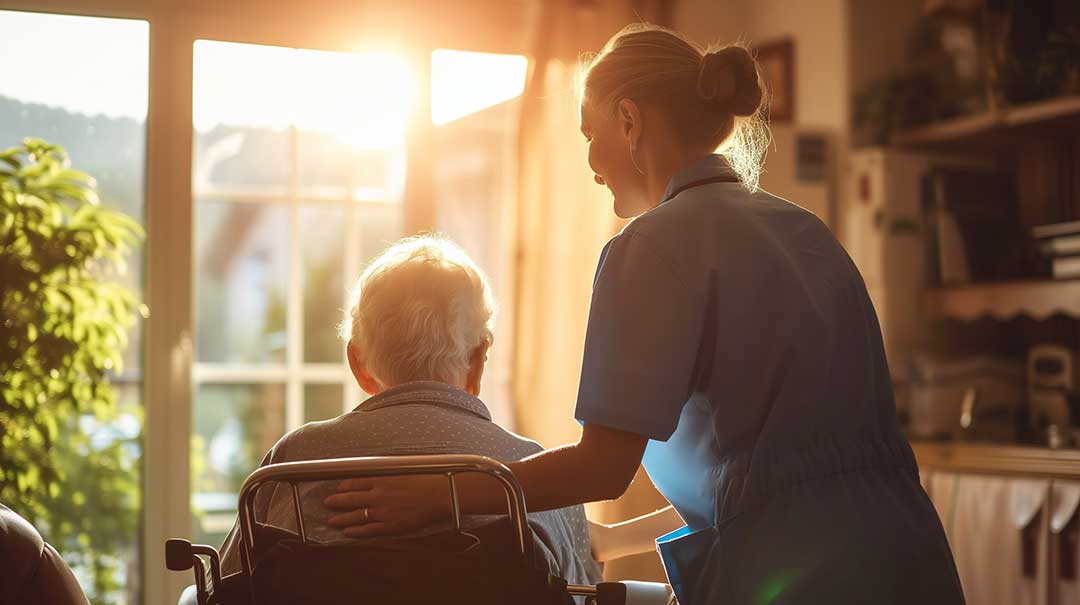
There is no guarantee that a couple can remain in the same apartment or building through every change in health. Planning for that possibility early can reduce confusion during a crisis.
Can assisted living help couples who provide care for each other?
It can, but spouses should not be expected to perform tasks that are unsafe or physically demanding. A husband or wife may still offer emotional support, help choose clothing, or share reminders. However, lifting, transferring, bathing, managing complex medications, or responding to emergencies may exceed what a spouse can safely do.
This distinction matters in households where one person has gradually become the other’s caregiver. A couple may feel that they are managing well because the healthier spouse is filling every gap. That arrangement can become dangerous if the caregiver is tired, injured, or unable to respond quickly.
Assisted living can shift routine care responsibilities to trained staff while allowing the couple to remain partners rather than caregiver and patient. Family members should be honest about what each spouse is currently doing and which tasks are causing strain.
What should local families consider before choosing this arrangement?
The home environment in Slatington can make planning especially practical during seasonal changes. Snow, ice, reduced daylight, and heating responsibilities may increase fall risks and make errands or home maintenance harder for older adults. A move may also affect access to familiar family routines, outdoor areas, transportation, and community activities.
Before deciding, families should compare the couple’s current needs with the available support. Consider:
- Whether the apartment can accommodate walkers, wheelchairs, or other equipment.
- How meals are provided and whether special diets can be managed.
- How emergencies are reported and answered.
- Whether transportation is available for appointments and errands.
- How laundry, housekeeping, and maintenance are handled.
- Whether pets, furniture, and personal items can be accommodated.
- What costs are included and which services have separate charges.
- How family members will participate in care planning.
It is also useful to speak with both spouses separately. One person may be focused on safety, while the other is more concerned about privacy, finances, losing independence, or leaving a long-time home. Those concerns deserve equal attention.
Is moving together always the right choice?
Not necessarily. Assisted living may be appropriate when a couple needs supportive housing and daily assistance, but another setting may be needed if one person requires continuous medical care, extensive nursing services, or specialized memory support.
A shared move should be based on safety and fit, not only on the desire to avoid separation. Families should look at each spouse’s needs independently, then determine whether one setting can meet both needs responsibly.
The most useful plan is usually flexible: keep the couple together when possible, preserve each person’s choices, and prepare for changing care needs. That approach can help spouses maintain their relationship while receiving the practical support that aging at home may no longer provide.
