
How Does Assisted Living Support an Active Lifestyle?
Most assisted living communities are designed to encourage regular movement, engagement, and social activity among residents. In Slatington, PA, residents often ask if moving to assisted living means giving up their favorite pastimes or independence. In reality, modern assisted living arrangements are built around maintaining physical, mental, and social activity—just with added support, safety, and community structure.
Assisted living apartments and shared spaces typically include easy-to-navigate layouts, handrails, elevators, and secure outdoor paths. These features reduce barriers for local residents wishing to stay on the move, regardless of mobility level or season.
What Types of Activities Are Typically Offered?
Residents in assisted living frequently access a calendar filled with structured and unstructured activities aimed at different interests and ability levels.
Common options available throughout the year include:
- Gentle group exercise classes (such as stretching, chair yoga, and low-impact aerobics)
- Walking clubs, indoor and outdoor, suited to local weather
- Art, music, and craft sessions that stimulate creativity and dexterity
- Brain games, trivia nights, and discussion groups to keep minds sharp
These activities are flexible so each person can participate at their own comfort level. Many communities invite resident input into planning, helping ensure the schedule reflects real interests.
Are Exercise and Outdoor Time Prioritized?
Access to safe, pleasant outdoor space is a clear focus in the area’s assisted living settings. In Slatington, household routines often include gardening, birdwatching, or time spent on patios—habits that assisted living environments typically encourage. Residents can enjoy supervised group walks, gardening clubs, and individual fresh air time regardless of the season, thanks to well-maintained paths and weather-appropriate common areas.
Indoor exercise options remain available during the region’s colder or snowy months, so movement does not pause when the weather changes. Mobility aids such as walkers or canes are welcomed and accommodated, ensuring active participation at all levels.
How Is Social Engagement Fostered?
Social isolation is a common concern as people age, but assisted living brings daily interaction with peers, staff, and visitors. Shared dining rooms, lounge areas, and hobby rooms provide natural meeting points for conversation and connection. Events like board game nights, movie screenings, and themed dinners help residents make new friends and stay engaged.
Residents are often encouraged to initiate their own clubs or gatherings, bringing favorite hobbies from home. This degree of choice and personalization enhances motivation for ongoing participation.
Do Residents Maintain Independence?
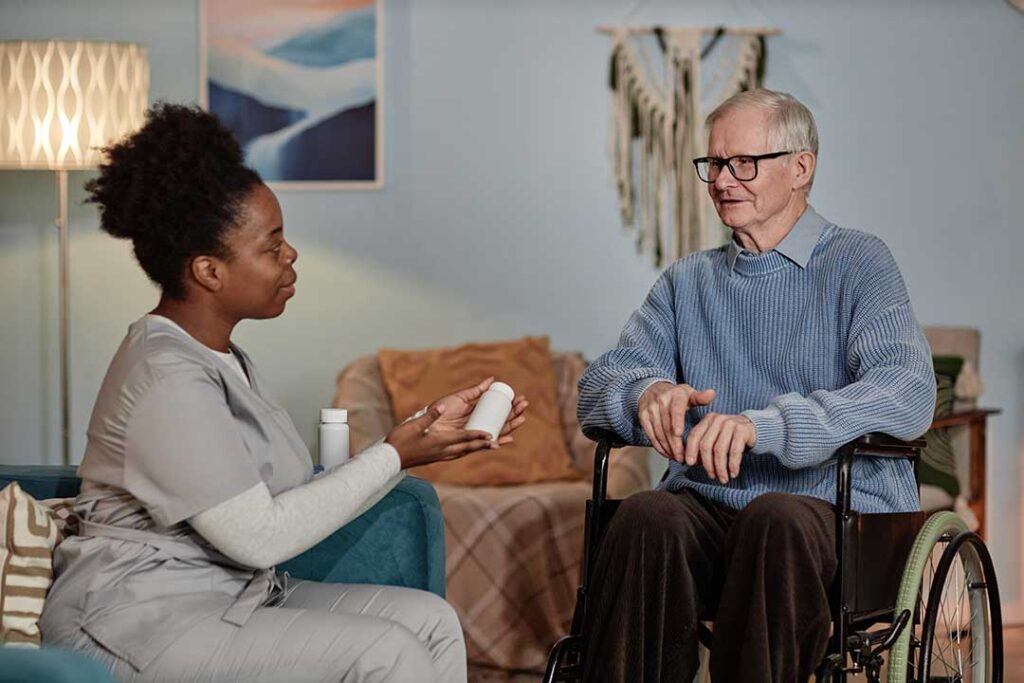
A central goal of assisted living is supporting personal autonomy. Residents can choose how to spend their day, which groups to join, and what pace feels right. Staff are present to assist only as needed—offering reminders, encouragement, or a helping hand instead of directing every move.
Practical supports, such as medication management or help with meals, free up time and energy for more enjoyable pursuits. This balance allows residents to focus on the activities that bring purpose and joy while knowing help is on hand if health or memory changes arise.
What If Someone Isn’t Interested in Group Activities?
Not everyone enjoys large gatherings or scheduled events. Assisted living recognizes diverse personalities. Residents who prefer solo pursuits can use community libraries, gardens, or fitness equipment on their own schedule. Quiet lounges or private rooms allow for reading, puzzles, writing letters, or simply relaxing.
Staff respect each individual's preferences, checking in respectfully to offer options while allowing for privacy. In some cases, small group or one-on-one activities are presented as alternatives to larger events.

Seasonal Considerations: Staying Active Year-Round
In the region’s colder months or during periods of inclement weather, maintaining activity is still possible indoors. Facilities offer adaptive sports, movement games, and walking routes to keep residents moving safely. During pleasant spring and summer stretches, outdoor barbecues, nature walks, and seasonal crafts celebrate local traditions and connect residents to the cycles of the wider community.
These seasonal adjustments help align daily life with the rhythms familiar to many local households, supporting a sense of continuity.
Are There Misconceptions About Assisted Living and Activity?
Some assume assisted living means less freedom or more passive living. In practice, it’s the opposite: the support of community living can make it easier, not harder, to stay active. Residents frequently report improved social lives and greater confidence in daily movement compared to living alone.
Family members sometimes worry that loved ones will be isolated or inactive, but most discover the routine, safety, and companionship foster more—not less—engagement.
What Should Families Ask When Considering Local Assisted Living Options?
Families considering a move to assisted living in Slatington can ask about:
- Activity calendars and resident involvement in planning
- Availability of outdoor areas and gardening opportunities
- Flexibility for personal interests or small group gatherings
- How staff balance support with independence
- Adaptations for residents with changing mobility or memory
Understanding these options helps ensure the environment chosen will fit the individual’s personality, needs, and lifestyle goals.
