

What Health Services Are Typically Offered in Assisted Living?
Assisted living communities in Slatington, PA generally provide a blend of personal care, health-related services, and support for daily living. The focus is on helping residents maintain independence while managing health needs and ensuring safety through routine monitoring and access to assistance.
Residents can expect core health services that cover medication support, basic nursing care, and access to routine medical help. These offerings can vary slightly between locations, but most communities in the area follow similar standards regulated by Pennsylvania health guidelines.
How Is Medication Management Handled?
Routine medication support is one of the most utilized health services. Assisted living staff are trained to help residents take their medications correctly and on time.
This service usually includes:
- Organizing medications (sorting pills, setting up reminders)
- Administering medications under proper guidelines
- Keeping accurate records of doses and timing
- Monitoring for side effects, missed doses, or drug interactions
Medication errors—like accidental double dosing or missing a pill—are a common concern in older adults. Assisted living helps reduce these risks while allowing residents to maintain a sense of control over their daily routines.
What Kinds of Basic Nursing Services Are Provided?
Licensed nurses or trained aides are commonly available to assist with minor health concerns and coordinate care.
Typical nursing-related services in Slatington include:
- Monitoring vital signs (like blood pressure, heart rate, blood sugar)
- Basic first aid for minor injuries, cuts, or skin issues
- Assistance with wound care, dressing changes, and non-complex medical tasks
Key limits: Assisted living staff do not provide round-the-clock skilled nursing care found in nursing homes. Complex medical treatments or advanced wound care generally require visits from a home health nurse or travel to a medical office.
Are Personal Care and Hygiene Supports Available?
Support with personal hygiene and daily activities is a core part of the assisted living model. Trained staff help with tasks that become challenging due to mobility issues, arthritis, or general frailty.
These tasks may include:
- Bathing or showering, including fall prevention in the bathroom
- Dressing and grooming, such as nail care or shaving
- Assistance with using the toilet
- Helping with mobility aids like walkers or wheelchairs
Services are always designed to maintain resident dignity and adjust to changing needs over time.
What About Routine Health Monitoring and Screenings?
Most residents benefit from periodic health checks and preventive screenings arranged through the community.
Common examples include:
- Regular weight checks and nutritional monitoring to spot changes in health early
- Blood pressure, blood sugar, or cholesterol checks, especially for those with chronic conditions
- Hearing and vision screenings coordinated with mobile or visiting providers
For regular physician exams, many families coordinate with their primary care providers, either arranging on-site visits or local transportation to medical offices. Some communities partner with area clinics or bring in visiting nurse practitioners as part of ongoing support.
Are Emergency Response and Fall Prevention Services In Place?
Safety systems and rapid response are priorities in any assisted living setting.
Residents often benefit from:
- Emergency alert call systems or wearable pendants that link to staff attention
- Frequent safety checks, especially for those with a history of falling or confusion
- Staff training in CPR, first aid, and basic crisis response
Quick assistance is available for urgent health concerns—be it a sudden illness, fall, or other emergency—ensuring families have peace of mind and residents have timely support.
How Are Chronic Conditions and Wellness Needs Managed?
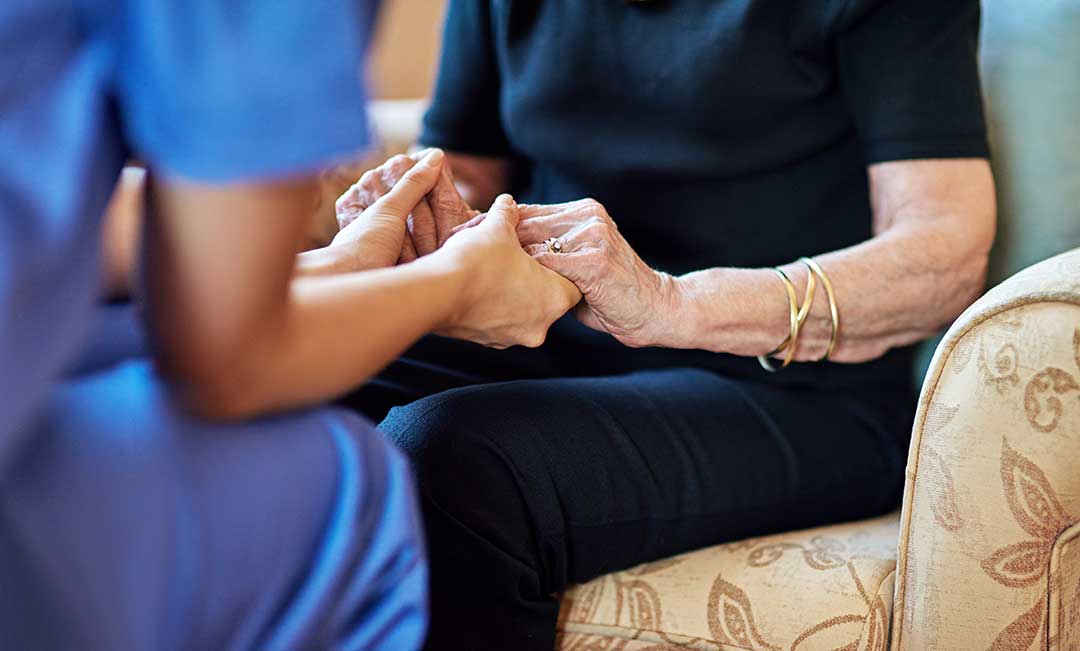
Support for ongoing health conditions is coordinated based on each resident’s needs, usually described in a personalized care plan.
Key aspects include:
- Help with chronic illnesses like diabetes, arthritis, or heart disease (e.g., glucose monitoring, medication reminders)
- Tracking symptoms or changes in condition, so doctors are informed promptly if intervention is needed
- Encouragement and reminders for healthy routines, such as hydration, balanced meals, and daily movement
Assisted living teams work closely with outside healthcare providers to adjust care plans as conditions evolve.
Who Provides Rehabilitation and Therapy Services?
Physical, occupational, or speech therapy isn’t typically included in the regular service package. However, these therapies can be arranged by outside professionals—either on-site in common spaces or through local clinics.
For example:
- Residents recovering from surgery or illness might have sessions with a physical therapist to regain mobility
- Occupational therapy can help residents adapt home routines to support independence
- Speech therapy may support those with swallowing difficulties or after a stroke
Residents and families often arrange these visits through insurance or Medicare, with administrative help from the assisted living team.
What Mental Health and Social Supports Are Available?
Mental health support is recognized as crucial for overall well-being, especially for residents adjusting to community living or managing conditions like anxiety or depression.
Assisted living communities typically offer:
- Regular activities and group programs that encourage social connections and reduce feelings of isolation
- Staff trained to recognize signs of mental health changes and refer to specialists when appropriate
- Coordination with local therapists or counselors for private or group sessions if needed
Family members play an important role, staying involved and monitoring mood or behavioral changes alongside staff.
How Do Residents Access Specialized Medical Care?
For needs beyond daily health services—like specialized doctors, advanced imaging, or certain outpatient procedures—area households usually coordinate transportation and appointments.
Residents may:
- Use community-arranged transportation to visit local healthcare providers
- Work with on-call mobile practitioners for services like podiatry, dental care, or routine bloodwork
- Receive support when transitioning between hospital and assisted living to ensure care continuity
This flexible approach allows residents to receive broader medical support while maintaining their home base in a familiar, supportive environment.
